Langley Artificial Grass Installation Designed for Lasting Beauty and Durability
Enhance Your Outdoors through Skilled Artificial Grass Implementation Services
Converting outdoor spaces with synthetic turf has become a practical option for many property owners. This approach provides a lush, verdant landscape without the continuous demands of natural grass. The setup procedure is simple, yet comprehending the nuances can make a substantial difference. Studying the benefits and considerations of this option reveals much more than mere aesthetics. What elements should one consider before making such a change?
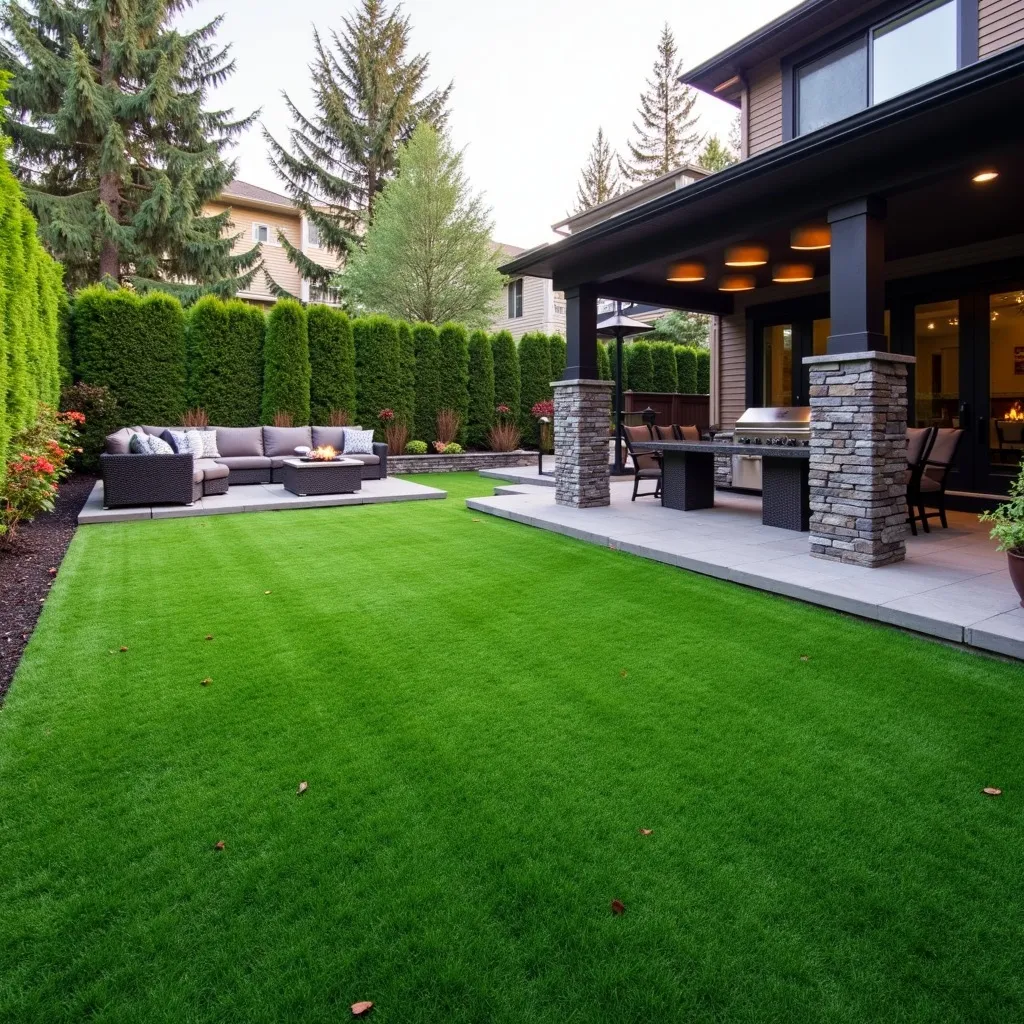
Why You Should Change Your Lawn With Artificial Grass
Many residents are increasingly choosing to replace their natural lawns with artificial grass because of its numerous pros. One of the primary benefits is the significant reduction in maintenance time and costs. Unlike natural grass, artificial turf does not require regular mowing, watering, or fertilizing, letting homeowners save on both labor and resources. Additionally, artificial grass stays lush and green all year, offering a consistently appealing look regardless of weather conditions.
Additionally, artificial grass is eco-friendly, as it removes the need for harmful pesticides and herbicides. It also preserves water, a crucial concern in many regions facing drought. The durability of synthetic lawn ensures that it can withstand heavy foot traffic, making it suitable for families with children and pets. Ultimately, the decision to install synthetic lawn can result in a more green, lovely, and trouble-free outdoor space.
What Will Occur During the Setup Procedure?
During the installation of artificial grass, homeowners can anticipate a streamlined and effective procedure that transforms their yard. Initially, the installation team conducts a thorough assessment of the area, measuring dimensions and detecting any water problems. Following this, they ready the ground by removing existing grass and debris, guaranteeing a level foundation for the new surface.
Subsequently, a layer of crushed stone is applied to enable suitable drainage. The team subsequently puts in place a weed barrier to prevent unwanted growth under the grass. When the base is complete, the artificial grass is unrolled and trimmed to fit the targeted area, ensuring smooth edges.
The grass is fixed firmly with fasteners or adhesive, and fill components may be added for stability and realism. Homeowners can expect to see their renovated yard space ready for use within a short time frame, often just a day or two.
Picking the Finest Synthetic Grass for Your Lifestyle
When choosing synthetic turf, understanding how well it fits your lifestyle is essential. Elements such as how often it's used, having pets, and aesthetic preferences are important in making the best decision. Additionally, maintenance requirements can vary widely, affecting long-term satisfaction and upkeep.
Lifestyle Match Considerations
Choosing the right synthetic turf requires evaluating several personal use considerations that can greatly impact its functionality and appropriateness for different settings. For families with children or pets, durability and resilience are essential, guaranteeing the grass can withstand intense activity and recreation. Additionally, climate is a key factor; regions with extreme temperatures may need UV-resistant materials to prevent fading. The intended use also matters—whether for play areas, aesthetic garden design, or athletic activities, different types of grass offer unique benefits. Moreover, aesthetic preferences should align with the overall design of the exterior area, guaranteeing a harmonious look. Finally, local regulations or community guidelines may impose restrictions, rendering it essential to understand these considerations before making a selection.
Routine Maintenance Obligations Description
Maintenance needs are important in determining the best artificial grass for personal life styles. Different types of artificial grass possess varying upkeep needs, which can influence a homeowner's choice. For those with pets or children, selecting a product that is easy to clean and resistant to stains is essential. Additionally, some types may need periodic brushing and infill replenishment to maintain their appearance and function. Conversely, low-maintenance options are ideal for busy individuals who choose a more hands-off lifestyle. Understanding these maintenance factors allows homeowners to pick artificial grass that not only fits their outdoor aesthetics but also aligns with their lifestyle needs, ensuring lasting satisfaction and enjoyment.
Important Phases for Placing Artificial Grass
Installing artificial grass requires numerous essential steps to guarantee a successful outcome. Important elements encompass effective site preparation techniques, establishing adequate drainage systems, and executing the grass installation process meticulously. Each step is crucial in obtaining a durable and aesthetically pleasing result.
Site Setup Techniques
Preparing the site effectively is key for a successful artificial grass installation. Initially, the existing grass and debris need to be removed to guarantee a clean base. Then, the ground must be leveled, addressing any indentations or high areas to form an even surface. Soil compaction is crucial to avoid future settling, which can be done using a plate compactor. After the area is level and compacted, a weed barrier fabric should be installed to limit future growth. Lastly, a bed of crushed stone or gravel should be applied to enhance drainage and provide stability. These steps collectively create a durable foundation, ensuring the durability and performance of the artificial grass.
Correct Drainage Solutions
After building a sturdy base through correct site setup, focus goes to putting in place reliable drainage options for artificial grass. Confirming ample drainage is necessary to stop water accumulation, which can damage the grass and create unpleasant odors. The installation process typically consists of integrating a drainage layer, often comprised of crushed stone or gravel, underneath the artificial turf. This layer promotes water movement away from the surface, allowing for quick absorption and lowering the risk of pooling. Furthermore, well-placed drainage channels can boost water flow, channeling excess moisture away from high-traffic areas. It is crucial to review the landscape's natural slope to optimize drainage performance, ultimately safeguarding the integrity and appearance of the artificial grass.
Grass Installation Process
The grass installation process progresses through a series of precise steps that ensure a positive outcome. Initially, the area is assessed and outlined for accurate dimensions. Following this, existing vegetation and waste are removed, guaranteeing a clean surface. Next, a compressed base layer of crushed rock or gravel is placed to promote drainage. A landscape fabric is then applied to prevent unwanted growth.
Once the base is set, the artificial grass is unrolled and cut to fit the specific area. It is fastened with adhesive or stakes to maintain stability. Finally, fill material is applied to improve durability and mimic grass. This methodical approach creates a stunningly transformed yard area.
Tips for Keeping Your Artificial Grass Appearing Fantastic
Keeping artificial grass looking bright and colorful requires consistent upkeep and maintenance. Regular cleaning is essential; a basic water rinse can remove dirt and particles. For tougher blemishes, a combination of gentle soap and water is effective. Additionally, using a broom or a stiff brush can help keep the strands standing tall and appearing pristine.
Routinely checking for debris, such as leaves or branches, prevents buildup that can lead to discoloration. To preserve proper water flow, make sure that any standing water is quickly eliminated. During periods of heavy use, it may be beneficial to apply infill to preserve the grass's structure and appearance.
Finally, protecting synthetic turf related resource from sharp objects helps prevent harm. By adhering to these straightforward maintenance tips, homeowners can ensure their artificial lawn stays an attractive and functional outdoor space for years to come.
Artificial Grass Success Stories: Transformations in Real Settings
Artificial grass boosts the aesthetic charm of outdoor spaces and modifies them into usable areas for families and pets. Countless homeowners have documented remarkable transformations after installing artificial grass. In one case, a family with a small backyard swapped their patchy lawn with brilliant synthetic turf. This alteration made a secure green space for play for their children and pets, substantially raising outdoor usage.
A success story involves a community park that battled upkeep expenses and water restrictions. By choosing artificial grass, the park not only lowered its environmental footprint but also offered a green, appealing space for gatherings and activities, driving increased local involvement.
Furthermore, a retail space increased its attractiveness by putting in artificial grass in its exterior recreation zone, drawing more visitors. These stories show how artificial grass can substantially transform outdoor environments, uniting beauty with practicality.
Popular Questions Raised
Is Fake Grass Sound for Furry companions and Children?
Artificial grass is commonly safe for pets and children. It is safe from toxins, convenient to clean, and without harmful substances. However, making sure installation and maintenance are appropriate is critical for maximum safety and comfort.
What Is The Duration Of Artificial Grass?
Artificial grass commonly lasts between 15 to 25 years, influenced by factors such as quality, care, and climate factors. Regular upkeep can increase its life span, delivering a resilient and beautiful outdoor surface for multiple activities.
Can I Put in Artificial Grass Myself?
Yes, people can lay artificial grass on their own. However, it demands careful planning, appropriate tools, and a good understanding of the installation process to guarantee a successful and durable outcome that satisfies visual and practical expectations.
What Cost Should You Anticipate for Synthetic Turf Placement?
The cost of synthetic turf installation generally ranges from $5 to $20 per square foot, based on factors like quality of materials, workmanship, and site conditions. Homeowners should get several quotes for accurate budgeting.
Does Artificial Grass Require Drainage?
Yes, artificial grass requires adequate drainage to avoid water accumulation. A properly engineered drainage system enables effective water movement, guaranteeing the longevity of the turf and maintaining its look and performance over time.